
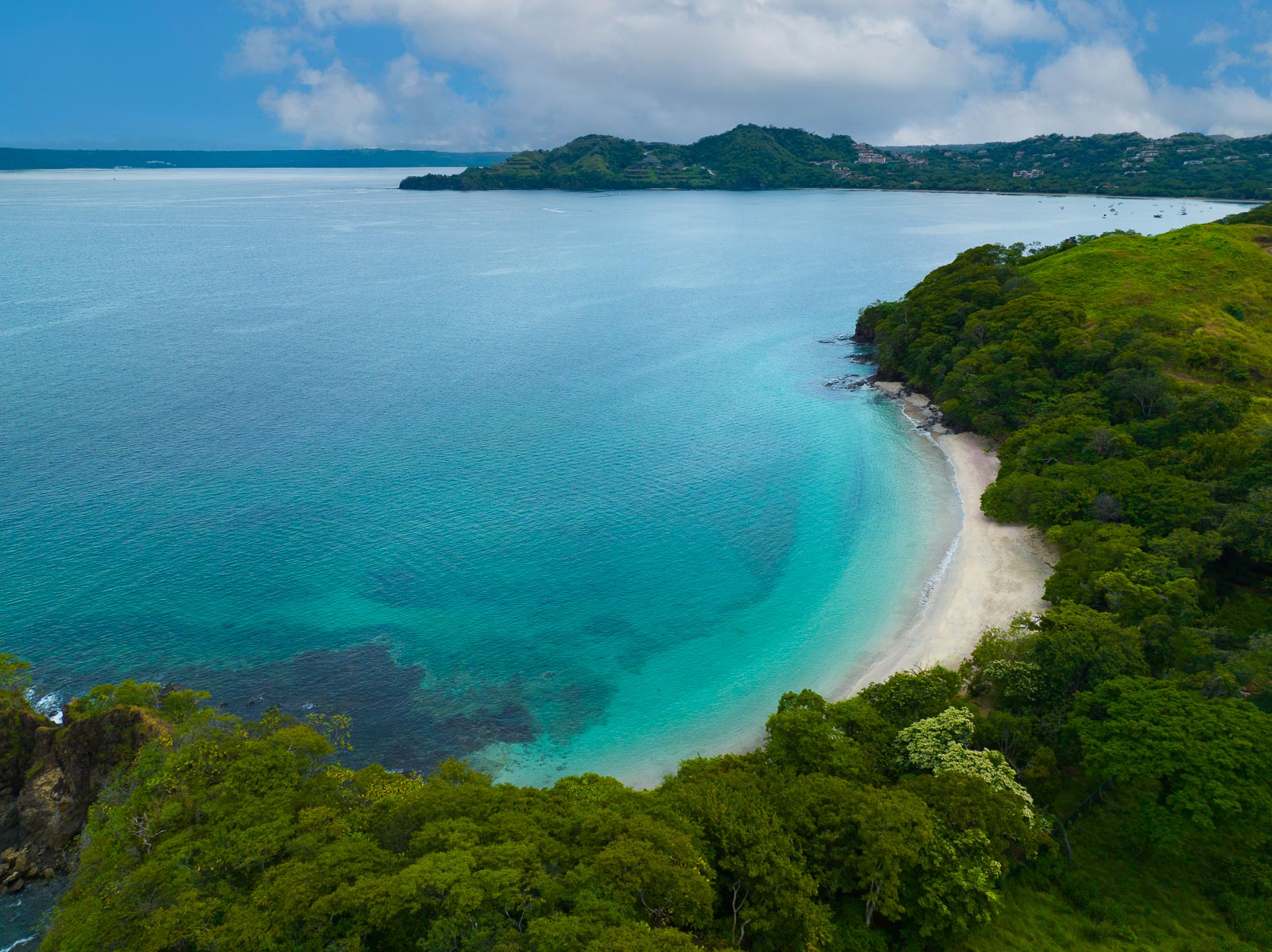
Do you love seeing animals in their natural habitats? Then you’re in luck, because Guanacaste, Costa Rica is home to a wide variety of amazing creatures. The area of Playas del Coco is especially incredible as there’s so many white sand, clear water beaches. This gives you the opportunity to see marine life with great clarity.
On land, you’ll spot some of the most incredible birds. There’s also unique animals like monkeys and armadillos that can be spotted with a keen eye.
Here are just a few of the animals you might spot on your visit to Playas del Coco:
Orange-Fronted Parakeet
The Orange-Fronted Parakeet is a small bird with bright green feathers and a vibrant orange patch on its forehead. They are often found in flocks in the trees, making lots of noise with their high-pitched squawks.

Spotted Eagle Ray
The Spotted Eagle Ray is a majestic sea creature that you might spot if you go snorkeling or scuba diving off the coast of Guanacaste. With its distinctive spots and long tail, it’s a truly stunning sight.

Howler Monkey
The Howler Monkey is one of the loudest animals in the jungle. You’ll know they’re around when you hear their deep, rumbling calls echoing through the trees. These monkeys are large and furry, with long tails and distinctive black faces.

Turquoise-Browed Mot Mot
The Turquoise-Browed Mot Mot is a stunning bird with bright blue and green feathers and a long tail. They are known for their distinctive “whoop-whoop” call and their habit of perching on branches and bobbing their heads up and down.

White-Throated Magpie Jay
The White-Throated Magpie Jay is a striking bird with black and white feathers and a bright blue head. They are often found in pairs or small groups, and are known for their loud, raucous calls.
These birds are very intelligent. They may even land on your windowsill and bang on the glass with their beak. They’ll then go sit in a nearby tree waiting for some treats.

Armadillo
The Armadillo is a strange-looking mammal with a tough shell that protects it from predators. They are often found digging in the dirt for insects and other small creatures to eat.

Jaguarundi
The Jaguarundi is a small wildcat that is found in the forests and grasslands of Guanacaste. They have sleek, dark fur and long tails, and are skilled hunters of small prey like rodents and birds.

If you’re planning a visit to Guanacaste, be sure to keep your eyes peeled for these incredible animals and many more. And remember to always respect their habitats and keep a safe distance when observing them in the wild. Happy exploring!